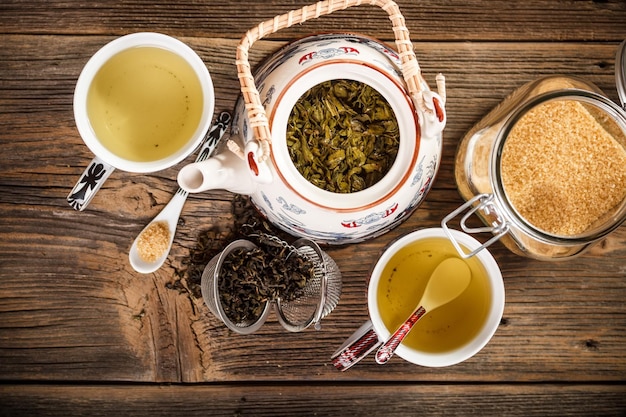
A Thoughtful Approach to Tea Tradition
Our methodology honors the wisdom of afternoon tea culture while acknowledging that modern life requires flexibility. We help people find their own meaningful relationship with these practices rather than imposing rigid rules.
Return HomeThe Principles That Guide Us
Tradition as Foundation, Not Prison
We believe afternoon tea traditions developed for good reasons. They create rhythm, encourage mindfulness, and facilitate genuine connection. But traditions serve people, not the other way around. When a practice enhances your life, keep it. When it becomes burdensome obligation, adapt it.
This philosophy emerged from watching too many people abandon tea culture entirely because they felt they couldn't meet perfectionist standards. We'd rather see someone enjoying a simple daily tea break than giving up because they can't manage elaborate formal service.
Knowledge Enables Choice
Understanding why certain practices exist allows you to make informed decisions about which to honor. When you know that serving tea before milk relates to protecting fine china, you can decide whether that matters in your context with your serviceware.
We emphasize education over prescription. The more you understand about tea culture, brewing science, and hosting principles, the more confidently you can create your own appropriate approach rather than anxiously following rules you don't understand.
Hospitality Over Performance
The purpose of hosting afternoon tea is creating welcoming space for connection. When attention to detail enhances that goal, it's valuable. When it creates stress that makes hosts unavailable to their guests, it's counterproductive.
This principle shapes how we teach hosting. We focus on managing timing and logistics so you can actually be present with people rather than frantically perfecting presentation that impresses but isolates.
Sustainability Through Enjoyment
Practices maintained out of obligation rarely last. We design our services around helping people discover which aspects of tea culture they genuinely enjoy, then supporting those specific interests rather than imposing comprehensive programs.
This means accepting that different people will engage with tea traditions in different ways. Someone who loves daily ritual but never hosts is as valid as someone who hosts monthly gatherings but doesn't maintain personal tea practice.
The Garden Gate Method
Our approach builds from fundamentals through increasing complexity, always emphasizing personal adaptation. Each phase supports the next while remaining valuable on its own.
Familiarization
Begin with exposure to quality teas and basic preparation methods. No pressure to host or perform. Just developing personal relationship with tea as beverage and ritual. Most people spend four to eight weeks in this phase.
Foundation Building
Learn core principles of brewing, timing, and food pairing. Understand the why behind traditional practices. Experiment with adaptation to your circumstances. This creates knowledge base for confident decision-making later.
Personal Integration
Develop your own tea practice or hosting approach. Identify which elements resonate and which don't. Learn to troubleshoot problems independently. Build confidence through successful experiences, learning from less successful ones.
Mature Practice
Tea traditions become natural part of life rather than something requiring conscious effort. You adapt readily to different situations, teach others when asked, and continue evolving your approach as circumstances change.
How Phases Connect
Each phase builds on previous understanding while remaining valuable independently. Not everyone progresses through all phases, and that's appropriate. Someone may find deep satisfaction in maintaining personal tea ritual without ever hosting. Another might skip directly to hosting for events without developing daily practice. The method provides structure without demanding linear progression.
Grounded in Understanding
Tea Science
Our brewing recommendations draw from established research on extraction rates, temperature effects, and oxidation processes. We translate technical knowledge into practical guidance without requiring chemistry background.
Key considerations include water temperature appropriate to tea type, steeping duration effects on flavor compounds, and storage conditions that preserve quality.
Food Safety Standards
Our event catering follows professional food service protocols. Temperature control, allergen management, and preparation hygiene meet industry standards. We maintain proper certification and regular training for all service staff.
Workshop participants receive guidance on safe food handling appropriate to home context, including storage temperatures, cross-contamination prevention, and serving time limits.
Sourcing Quality
Tea selections come from established suppliers with transparent sourcing practices. We prioritize direct relationships with estates where possible and verify claims about growing conditions and processing methods.
Quality indicators we assess include leaf integrity, aroma characteristics, brewing consistency, and documented origin. We taste extensively before adding any tea to our collection.
Cultural Research
Our understanding of tea traditions draws from historical documentation, cultural studies, and ongoing conversations with practitioners across different contexts. We acknowledge that practices vary and no single approach is universally correct.
This research informs how we present traditions, always noting regional variations and historical evolution rather than claiming singular authenticity.
Educational Methods
Workshop structure reflects adult learning principles emphasizing demonstration, practice, and immediate application. We know that people learn hosting skills through doing, not just listening, so sessions include substantial hands-on time.
Instructional materials remain available for ongoing reference, recognizing that single exposure rarely creates lasting competence.
Continuous Improvement
We regularly review our approaches based on participant feedback and outcome data. What works well gets reinforced. What creates confusion gets revised. Our methods evolve as we learn more about what helps people succeed.
This includes staying current with developments in tea industry, hosting practices, and adult education research.
Where Conventional Methods Sometimes Struggle
Rigidity Over Adaptation
Many traditional tea culture resources present practices as fixed requirements rather than adaptable guidelines. This works for people whose lives already accommodate formal entertaining but excludes those with different circumstances. When standards feel impossible to meet, many simply don't try.
Our approach acknowledges that afternoon tea looks different in a small apartment than a formal dining room, with young children than with adult guests only, on a weeknight than a weekend afternoon. Adaptation isn't compromise; it's intelligent application of principles.
Expertise Assumption
Conventional tea resources often assume baseline knowledge that newcomers don't possess. Instructions mention techniques without explaining them. Cultural context goes unstated. This creates unnecessary barriers for people genuinely interested in learning.
We start from actual beginner level without condescension. Every technique gets explained. Cultural context gets provided. Questions are welcomed rather than suggesting you should already know the answer. Education should invite participation, not gate-keep.
Performance Focus
Traditional approaches often emphasize impressive presentation as primary goal. This creates hosting anxiety where people focus more on appearing competent than actually being present with guests. The performance aspect overshadows the connection purpose.
We prioritize genuine hospitality over perfect execution. Better to serve simpler tea with authentic warmth than elaborate production with stressed host. When people feel comfortable in your space, slight imperfections in service become charming rather than failures.
One-Size-Fits-All
Standard tea education often presents single correct method applicable to all situations. This ignores that people have different goals, resources, and constraints. What works for someone building daily ritual differs from someone planning occasional formal entertaining.
We help people identify what they actually want from tea traditions, then support those specific goals rather than imposing predetermined comprehensive program. Your tea practice should serve your life, not become additional obligation.
What Makes Our Approach Different
Modular Learning
Rather than comprehensive programs requiring full commitment, we offer components you can engage with independently. Take workshops without subscribing. Subscribe without attending workshops. Use event service without either. Build exactly the support structure you need.
Ongoing Resources
Workshop participants receive reference materials for continued use. Subscription includes seasonal recipe cards and brewing guidance. We provide resources that remain useful long after initial interaction, supporting sustained practice rather than one-time education.
Realistic Scope
We acknowledge we can't address every aspect of tea culture. Instead of superficial coverage of everything, we focus deeply on afternoon tea tradition and hosting. This allows genuine expertise in our specific area rather than attempting impossible comprehensiveness.
Flexible Engagement
Subscription can pause when you travel or life gets overwhelming. Workshop attendance doesn't obligate future purchases. Event service scales from intimate gatherings to larger celebrations. You control the level and timing of engagement based on current capacity.
Question-Friendly Culture
We actively encourage questions rather than expecting people to figure things out independently. No question is too basic or too specific. Asking for clarification demonstrates engagement, not inadequacy. This creates environment where learning actually happens.
Continuous Refinement
We regularly update approaches based on what works in practice. Recipe cards reflect seasonal availability. Workshop content addresses common questions that emerge. Tea selections rotate based on quality and client preferences. Nothing remains unchanged simply because it's traditional.
How We Think About Progress
For Personal Practice
Success looks like tea becoming natural part of your routine rather than special effort. You brew with confidence, knowing when to follow guidance and when to trust your preferences. You genuinely enjoy the ritual rather than maintaining it out of obligation.
- • Consistent tea preparation without needing to reference instructions
- • Understanding why certain approaches work for your taste
- • Natural integration into daily or weekly rhythm
- • Genuine anticipation of tea time rather than checkbox completion
For Hosting Ability
Success means feeling comfortable inviting people for tea rather than anxious about managing details. You handle timing naturally, adapt to unexpected situations gracefully, and remain present with guests rather than distracted by logistics concerns.
- • Extending invitations without excessive planning anxiety
- • Managing food preparation and service timing smoothly
- • Genuine engagement with guests rather than kitchen preoccupation
- • Comfortable problem-solving when things don't go exactly as planned
What We Don't Measure
We don't track perfection metrics because they're not meaningful. Whether your scones achieve exactly the right texture matters far less than whether you and your guests enjoy them. Whether your service follows every traditional protocol matters less than whether everyone feels comfortable and welcome.
Success is deeply personal. For some people it means hosting monthly gatherings. For others it means quiet daily ritual. Both are valid outcomes. We help you identify what you're actually hoping for, then support that specific goal rather than imposing external success definitions.
Why This Approach Works
Our methodology developed through eight years of working with people at various stages of tea interest. Early versions of our workshop focused heavily on technical perfection and traditional protocols. We noticed that participants left feeling educated but also somewhat overwhelmed, and many didn't maintain practices after the initial enthusiasm wore off.
The shift toward adaptation-focused education came from recognizing that people who successfully integrated tea traditions into their lives were those who felt permission to modify rather than those who tried to replicate formal service exactly. This observation fundamentally changed how we structure teaching and support.
The modular service approach emerged from feedback that comprehensive programs felt intimidating to people unsure of their commitment level. By allowing engagement with individual components, we removed barriers that prevented exploration. Someone can try subscription without workshop obligation, or attend workshop without ongoing subscription expectation.
Our emphasis on hospitality over performance reflects broader shift in understanding about what makes gatherings meaningful. Research on social connection consistently shows that guest comfort depends more on host authenticity than presentation perfection. When hosts feel pressured to perform, that stress transmits to guests regardless of how beautiful the table looks.
The question-friendly culture we maintain addresses common adult learning challenges. Many people hesitate to ask questions for fear of appearing ignorant. This creates superficial understanding that doesn't support long-term practice. By explicitly encouraging questions and treating them as valuable engagement rather than deficiency, we create environment where genuine learning occurs.
Event catering service exists specifically for situations where managing all logistics yourself would prevent enjoying your own celebration. Some hosts genuinely love preparation and want to do everything themselves. Others prefer focusing on guests and want professional support for food and service. Neither approach is superior; they serve different needs and preferences.
Interested in This Approach?
If our methodology resonates with how you'd like to engage with tea traditions, we'd be glad to discuss which of our services might support your specific situation. Every person's tea journey looks different, and we're curious about yours.
Get in Touch